 Students learn best when they are relaxed, happy, and feeling loved. It is challenging to include those characteristics in classes when you are concurrently trying to achieve school goals, comply with curriculum timelines, juggle parent concerns, and blend your lessons with those of colleagues.
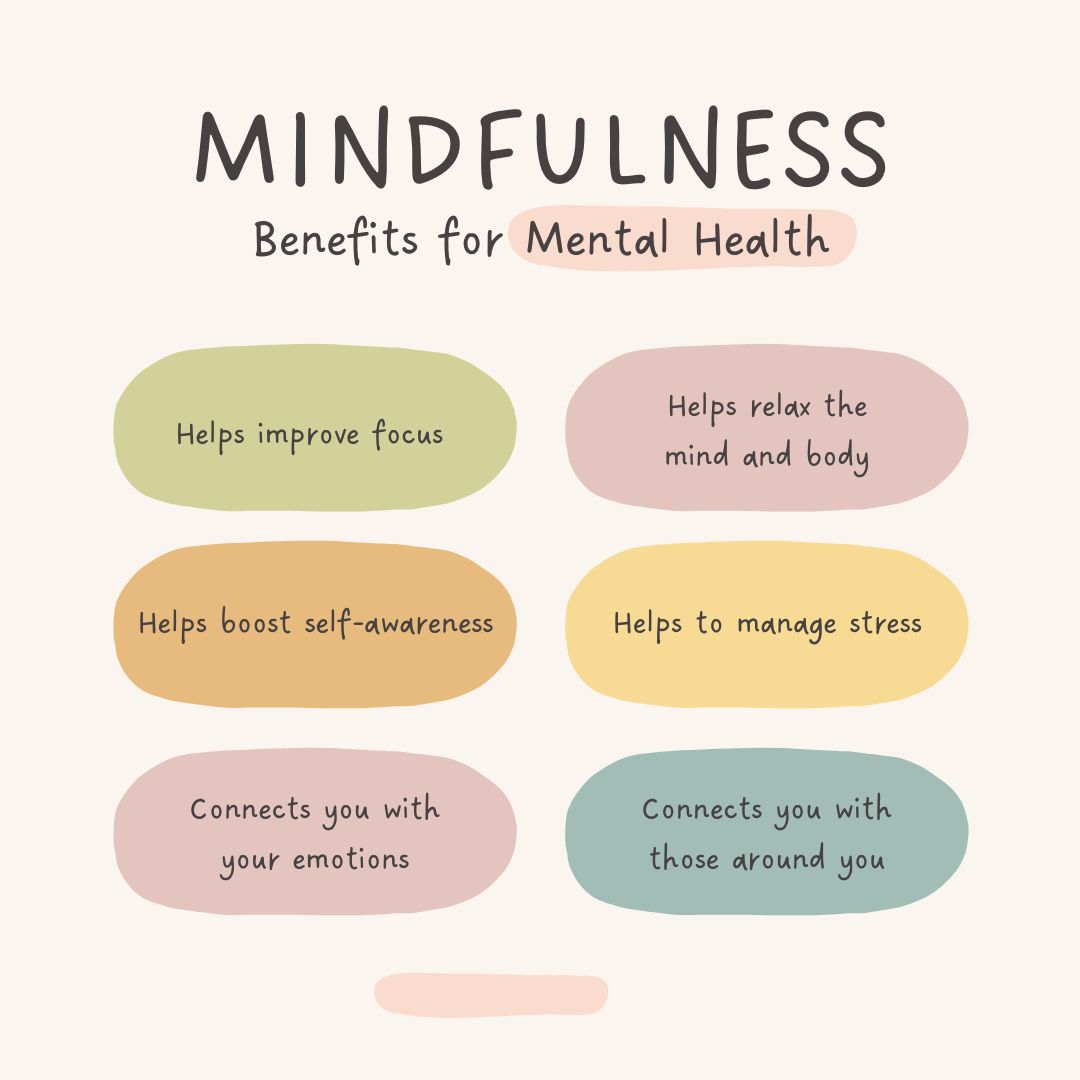
This is where mindfulness becomes important. It reminds teachers that the fulcrum for learning is the student's emotional well-being.
Let's back up a moment: What is mindfulness? Buddha once said:
"Do not dwell in the past, do not dream of the future, concentrate the mind on the present moment."
If that's the plan, mindfulness is the path. It teaches students how to quiet themselves -- get to a place where their mind is settled sufficiently to pay full attention to the task at hand. Experts offer many suggestions for incorporating mindfulness into your classroom experience. Consider:
- pause and take a deep breath before beginning an activity
- reflect on an activity as a group
- reflect on the student's experience and background and how that relates to the topic
Here are five ideas on how to incorporate mindfulness into your classes:
Read more of this post







No comments:
Post a Comment