Michal Okonski posted: " In an event much less grandiose than Apple, Google announce their latest phones, the Pixel 6 and Pixel 6 Pro. I liked the event, mostly for how chill it was compared to the big and usually impersonal events we see from Apple a lot. Let's dive into the ph"
In an event much less grandiose than Apple, Google announce their latest phones, the Pixel 6 and Pixel 6 Pro. I liked the event, mostly for how chill it was compared to the big and usually impersonal events we see from Apple a lot. Let's dive into the phones.
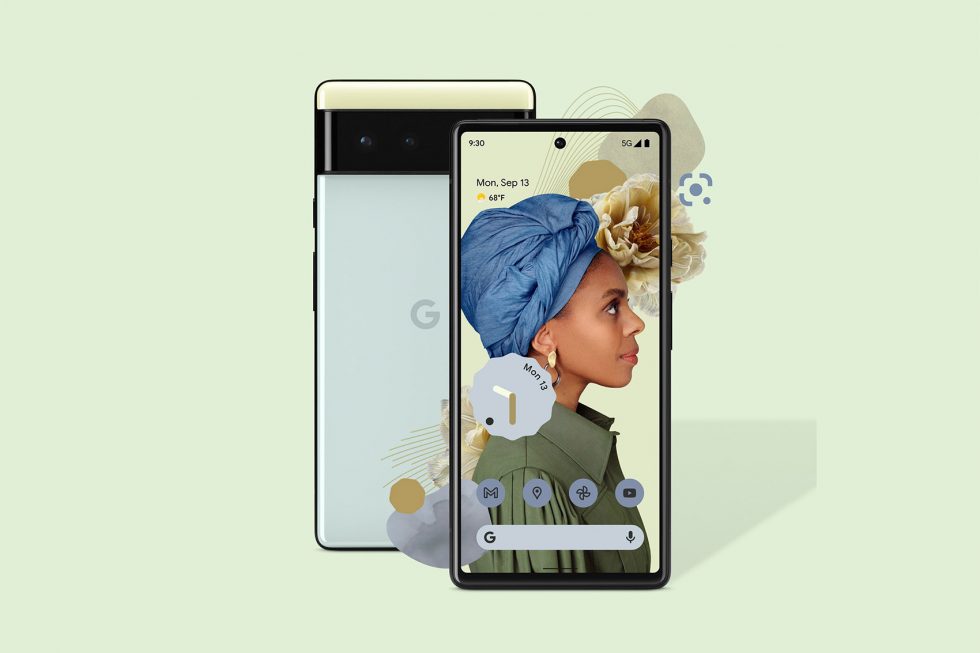
The first thing you'll notice when looking at the new devices is the striking new design. There's a 'camera bar' around back that stretches from one side of the phone to the other, so no need for a traditional camera bump. Then you'll notice the colours: Stormy Black, Sorta Seafoam and Kinda Coral on the regular Pixel, whilst the Pixel 6 Pro comes in the same Stormy Black, Cloudy White and Sorta Sunny.
Source: Google
The regular Pixel 6 has a 6.4 inch 90Hz FHD+ display with a hole punch and under-display fingerprint scanner and the larger 6.7 inch Pixel 6 Pro has a 120Hz refresh rate and is rated at QHD+ which curves over the sides of the phone, creating a 'waterfall' display. They're both big phones and said to be quite heavy with IP68 water and dust resistance.
Arguably most important part of these new phones is the custom silicon running inside of them. The Google Tensor SoC is meant to help power some of the most demanding tasks such as the new live translate feature or make better photos thanks to its dedicated Image Signalling Processor. There's plenty of AI and ML performance too, but it is too early to call how impressive the chips are, but Google says that it'll compete directly with the Snapdragon 888.
The devices support 30W fast charging and do not come with a charger in the box, which shows that the whole industry is moving towards this future of less in the box.
Source: Google
The smaller Pixel 6 shares both fo its cameras with the Pro, but misses out on the telephoto camera. The main shooter is a 50MP f/1.85 camera that is a physically larger and completely new sensor, apparently letting in 150% more light. Both Pixels also feature an ultra wide which is 12 megapixels and the Pro models have a 4x telephoto camera. It's a huge 48MP in resolution, letting you capture far away objects in even more detail.
The main improvements in the camera are through its software though, with features such as Real Tone. Real Tone was developed with people of colour and aims to help create more realistic colours and shades and omit the stray light that is able to wash out darker skin. Face Unblur is also new and makes sure that movement, such as jumping or running, does not inhibit the sharpness of the image. It'll do this through combing many images to make sure the face is in proper focus and is sharp.
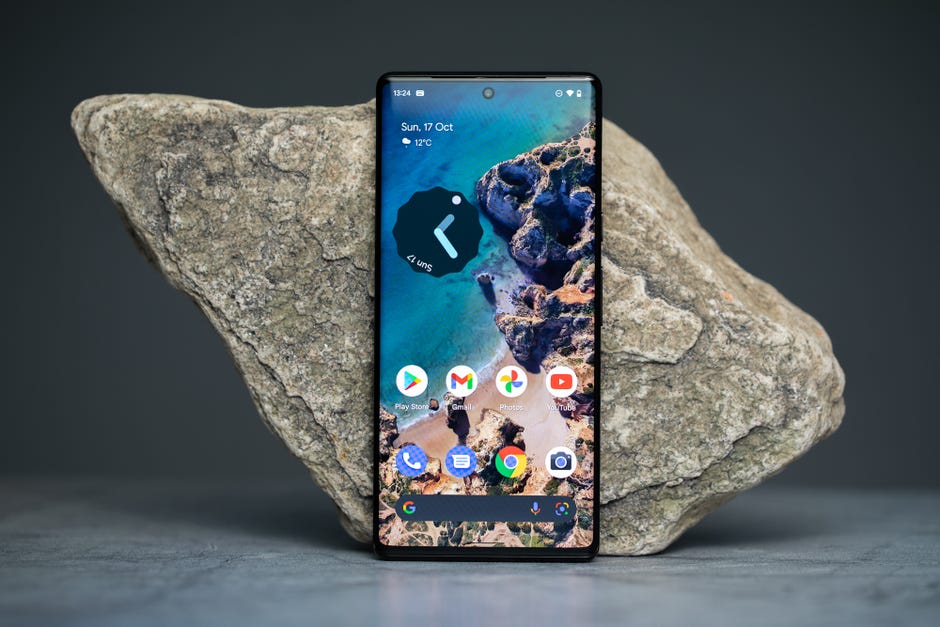
Source: CNET
The last new feature of the Pixel 6's camera (and Google Photos!) is Magic Eraser, which is my favourite feature. This will let you move unwanted items from your photo, such as photobombers or people walking past. It feels like what Google wanted to do in 2017 with a chain-link fence removal, but the feature never came into the Pixel 2 or Google Photos. The company has also worked with Snpchat to create a more fluid experience, where the user can just double tap the back of the phone and it'll take you straight into the Snapchat camera. It's also going to use the Pixel Camera app, showing that the company has a bigger focus on bringing the iOS Snapchat experience to Android.
Reviewers can't do much more than show the home screen and the hardware, so that's a bit of a let down. They have said that the phone feels much more premium than previous Pixels, meaning Google is trying to compete with Apple in terms of hardware quality. Hopefully they can gain the same traction as the big players in terms of advertising and carrier deals, making the phone stand out in stores and websites to get as many people to buy it and take some of their market share. One of the biggest complaints of Android handsets recently have been the lack of security updates after about two years. The Pixel 6 promises to fix that with 5 years of updates, meaning that the company has listening to the concerns that their customers have.
Source: Google
The Pixel 6 models are priced aggressively too with the 128GB base model Pixel 6 coming in at $599 and the Pixel 6 Pro being $899. They seem great, but what are you gaining from $300 extra on the Pixel 6 Pro? Sure a bigger and better display, one extra camera and four extra GBs of RAM (12GB on the Pro, 8GB on the base), but it does seem like a tough sell to many people who don't look for much in their phone. I would also bring up their size, but there's only 0.3" in it, so not much.



 WordPress.com





No comments:
Post a Comment